How scientists built a mouse with a half-human brain
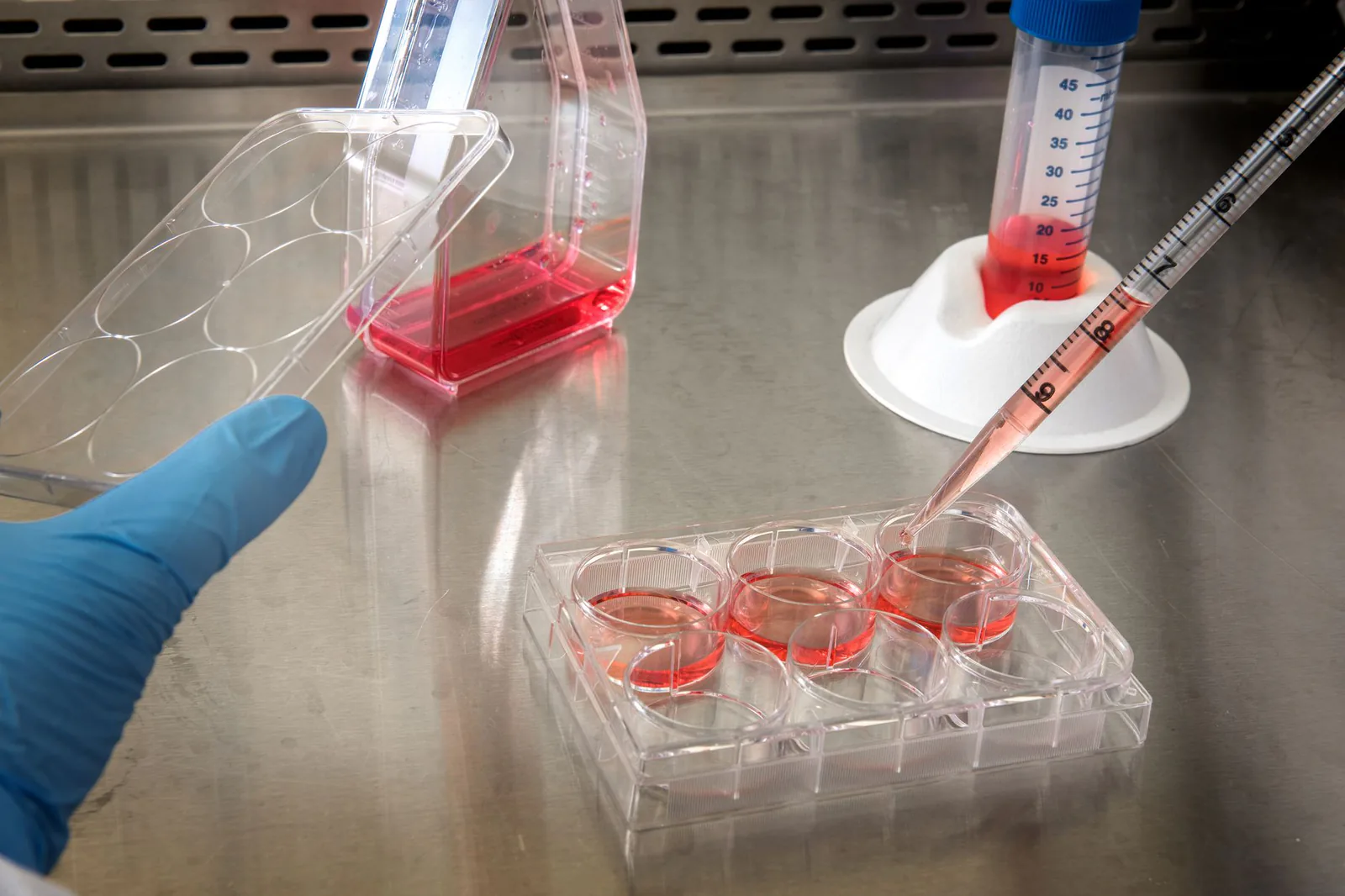
The method starts with donated skin cells, grows them into human brain organoids, and ends with roughly four million human neurons living inside a mouse skull.
The field guide
Explain first, argue second. Every post links back to the primary papers and reporting it draws on.
The method starts with donated skin cells, grows them into human brain organoids, and ends with roughly four million human neurons living inside a mouse skull.
The human brain is locked inside a skull and no animal brain is a good copy of it. That is why schizophrenia, epilepsy and dementia still have so few real treatments.
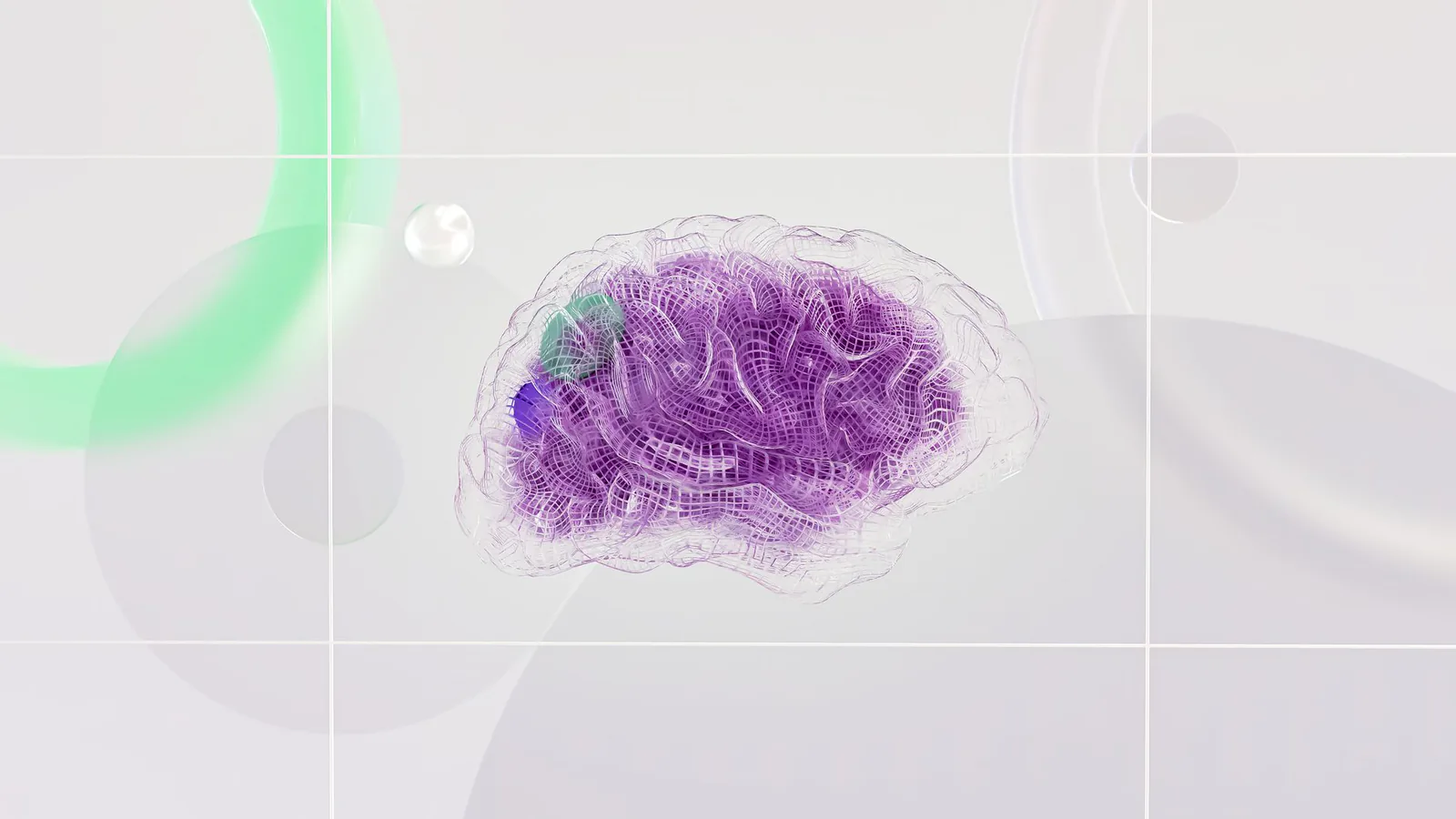
The tissue in these mice is immature and the animals were not enhanced. But the ethical questions start long before any mouse gets smarter.

ChatGPT learns from oceans of data on silicon. A xenocortical mouse learns from a body, on living neurons grown from human DNA. The comparison says a lot about both.
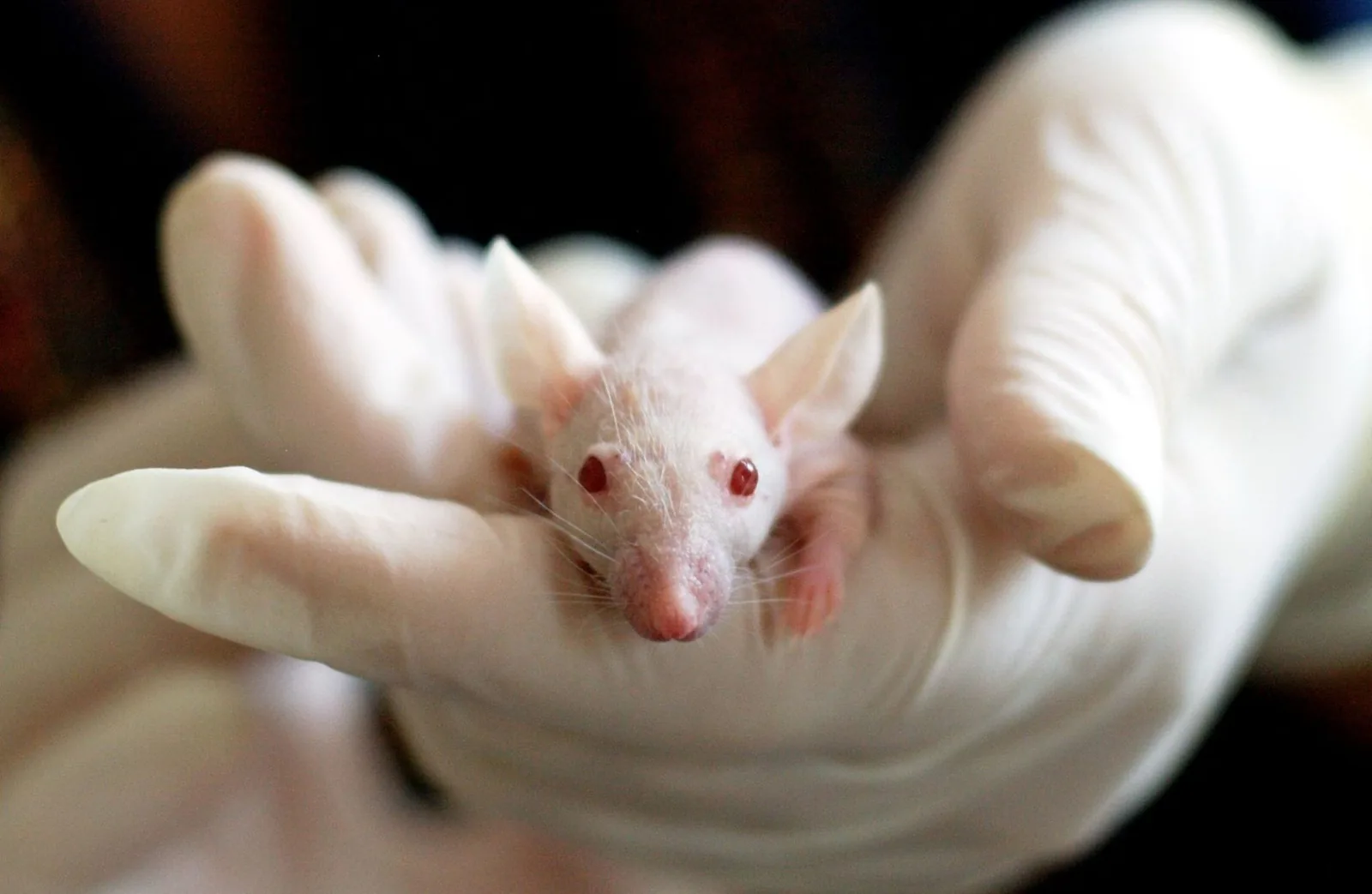
In September 2026, researchers at Stanford announced mice whose brains are half human tissue. Here is what the animals actually are, in language that does not need a neuroscience degree.