The key point
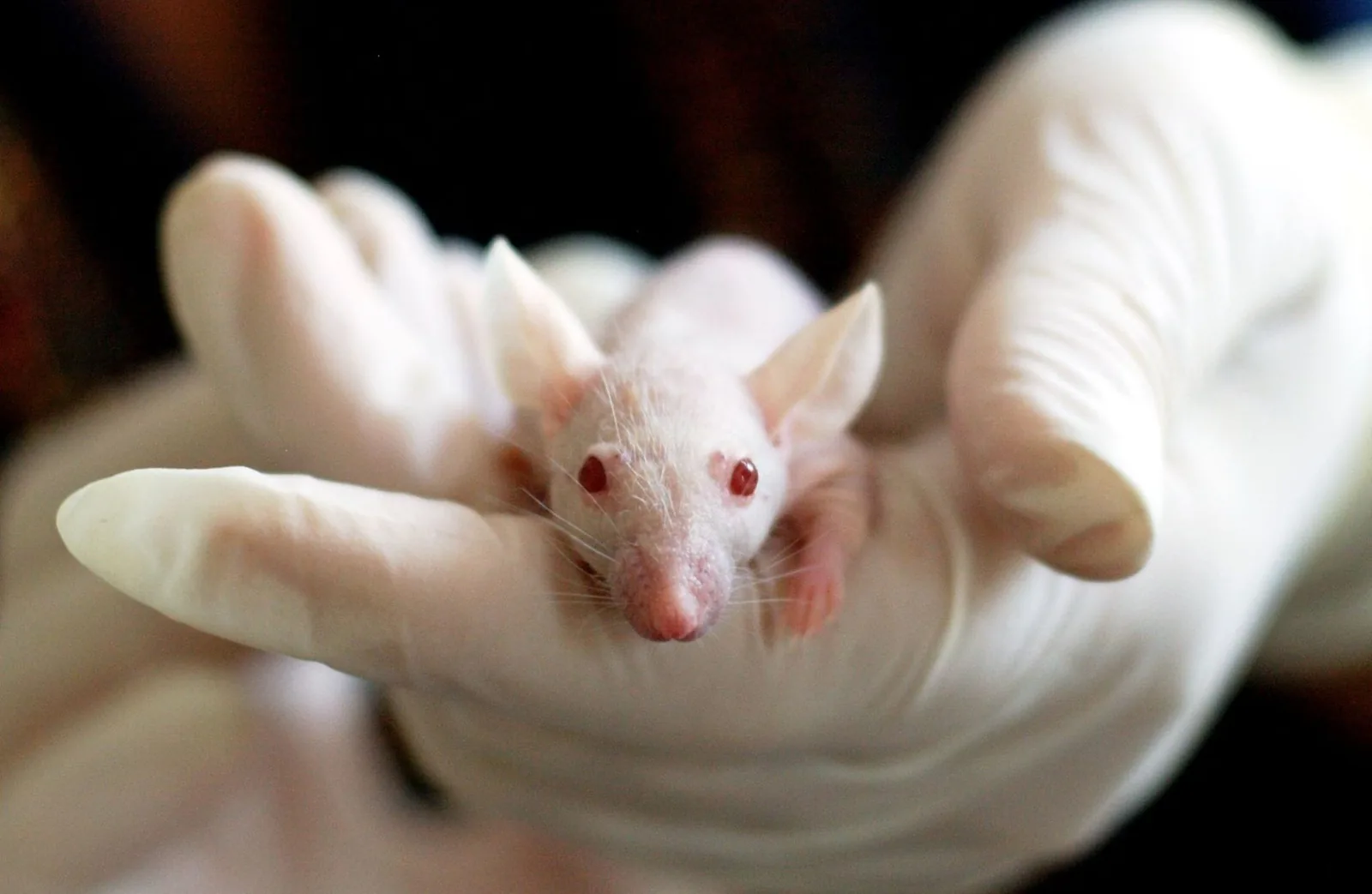
Xenocortical mice are lab mice whose cortex and hippocampus were largely replaced by living, growing human brain tissue — about half of the brain by volume.
The name, decoded
Xeno comes from the Greek for foreign. Cortical refers to the cortex — the folded outer layer of the brain where so much of what makes minds interesting happens. A xenocortical mouse is a mouse whose own cortex has been replaced, substantially, by foreign cortex: human brain tissue grown in a laboratory.
The name entered the news on 16 September 2026, when researchers at Stanford University, led by Professor Sergiu Paşca, published in Nature a study in which mice were born without the two brain structures that make a mouse brain most mammalian — the cortex and the hippocampus — and then had human tissue grown inside the empty space [1].
What was actually done
The team did not splice human genes into mice, and they did not grow a human brain inside an animal. The procedure worked in the opposite direction: take a normal mouse, remove the capacity to build its own cortex, and then fill the gap with lab-grown human cells that organize themselves.
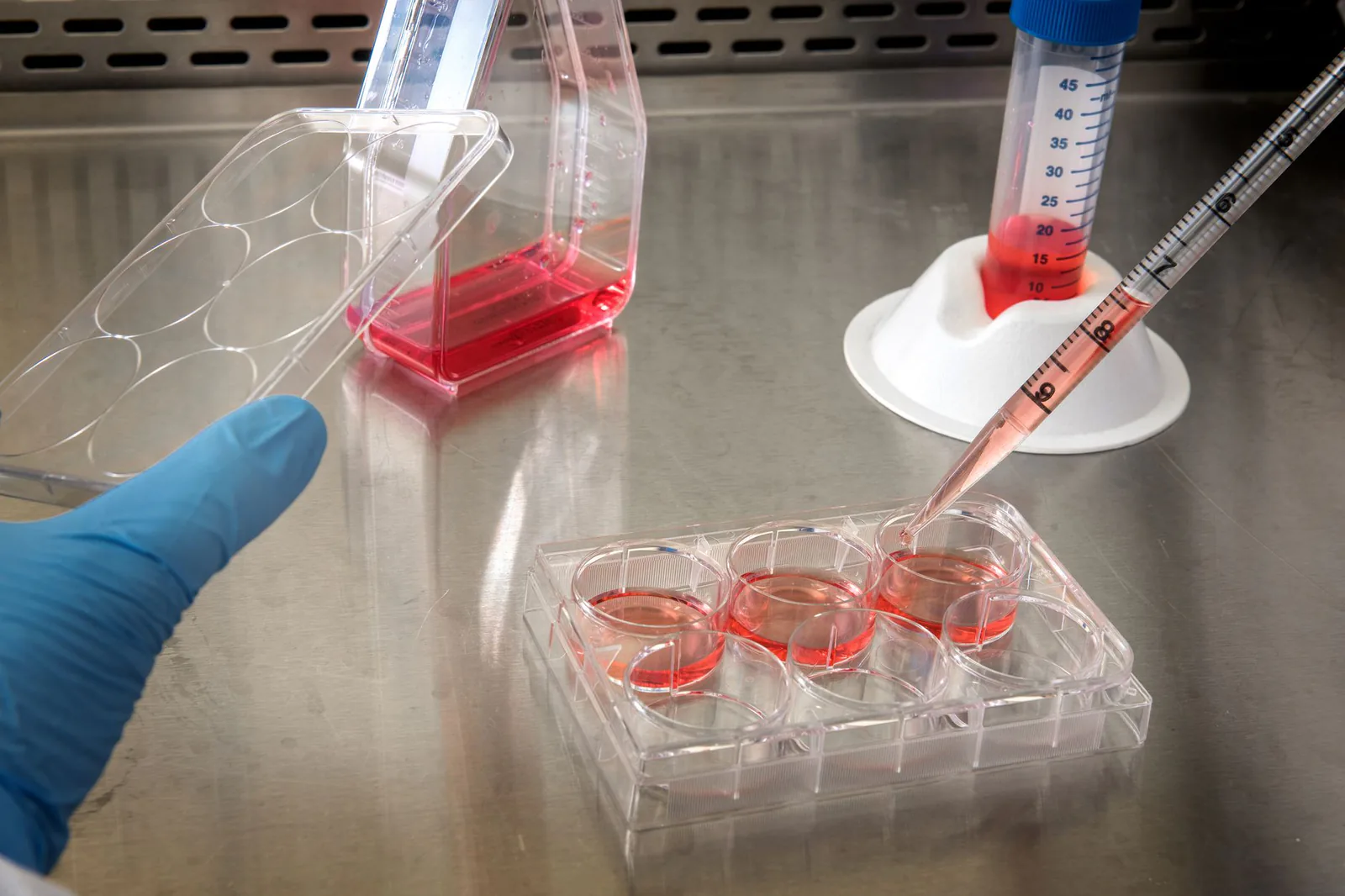
- Researchers reprogrammed donated human skin cells into stem cells, then grew them into brain organoids — small, self-assembling clumps of living neural tissue [5].
- Newborn mice, engineered so their cortex and hippocampus could never develop, received several injections of about 100,000 human brain cells each into the space where their own tissue was missing [1].
- The mice had lacked roughly 14 million of their own brain cells; they ended up with about 4 million human ones — half the brain by volume [1].
Three months later, the human tissue had drawn blood vessels from the mouse’s circulatory system, almost entirely filled the cavity, and sent connections to the remaining mouse neurons and even to the spinal cord [1].
What the mice are not
Just as important is what the study did not find. The human tissue in these animals is immature — closer to the middle of human fetal development than to any thinking brain. The human neurons were not structured or wired the way they would be in a person [1]. And on behavioral tests, the mice were not enhanced by their human tissue: if anything, they were ordinary-to-slightly-impaired mice, with a cautious, shaky gait and mild forgetfulness that improved a little after the transplant [1].
That surprises some readers, who expect “half-human brain” to mean a smarter animal. The point of the model is not to upgrade mice. It is to give human neurons a living body and blood supply so they can be studied in ways a dish cannot allow.
Why the mice survive at all
Removing a mouse’s cortex sounds unsurvivable. It nearly is: the mice survived because the remaining parts of the brain took over some of the missing tissue’s roles. The animals look normal, but they are careful on their feet and somewhat more forgetful than ordinary mice [1]. Those deficits are not a bug — they gave researchers a measurable baseline to see whether the human graft improved anything.
A decade in the making
None of this appeared from nowhere. The organoid field began with the 2013 cerebral organoid paper, which grew the first brain-like tissue in dishes [5]. In 2018, researchers showed human brain organoids grafted into mouse brains could become vascularized and functional [4]. In 2022, the same Stanford team transplanted human neurons into rat brains, where they integrated into circuits — but there was simply too little room for the human tissue to grow [3]. The xenocortical mice answer that question: make room, and see how far human tissue can go [1].
Where to read the primary sources
Every claim above traces to the study itself [1] and to the Guardian’s report of 16 September 2026 [2]. See The papers, annotated for the full reading list, and How scientists built a mouse with a half-human brain for the method step by step.