The key point
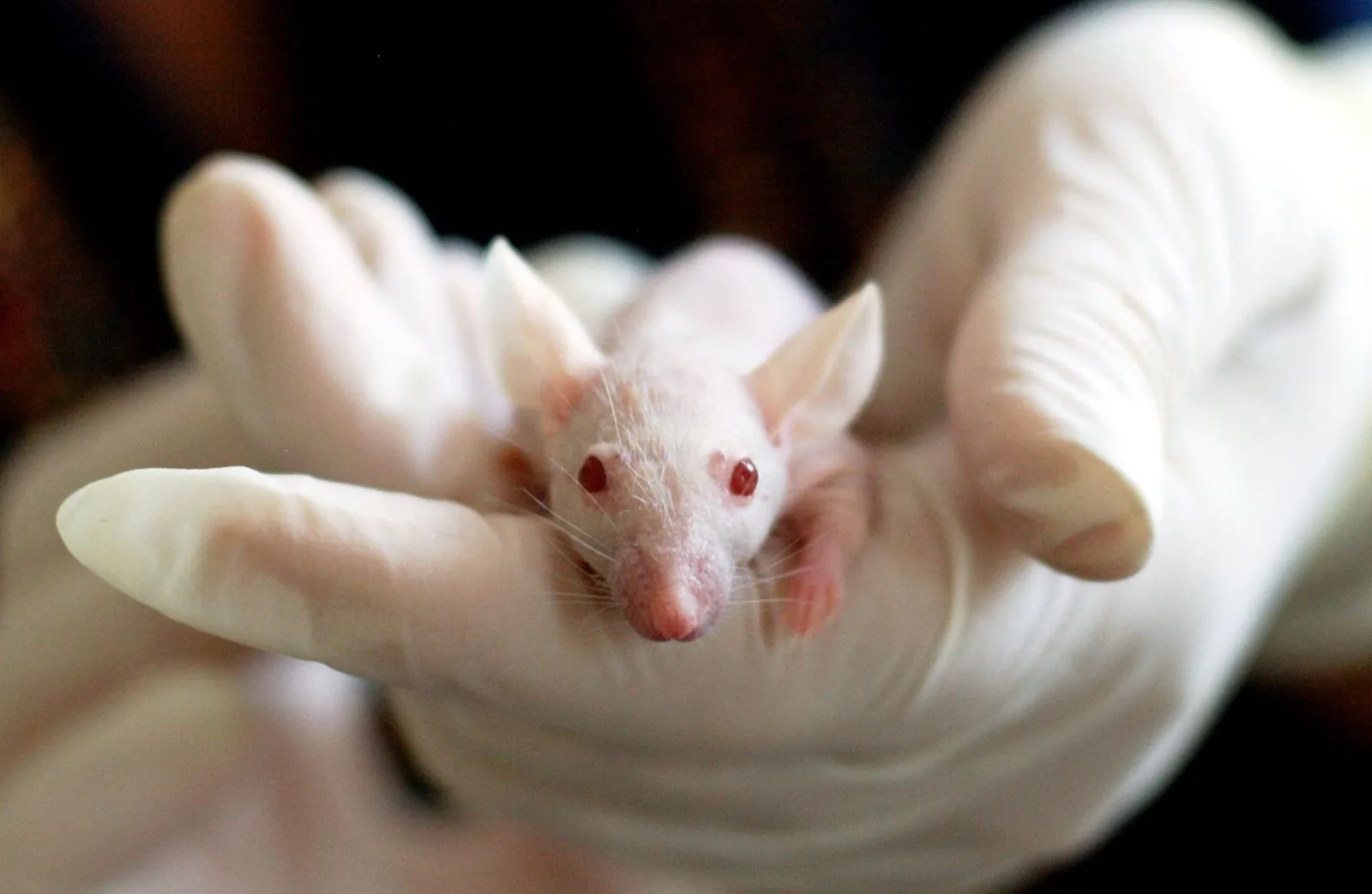
About 100,000 human brain cells at a time were injected into mice engineered so their own cortex could never grow. Four million human cells later, the mice were half human tissue by volume.
Step one: get the human cells
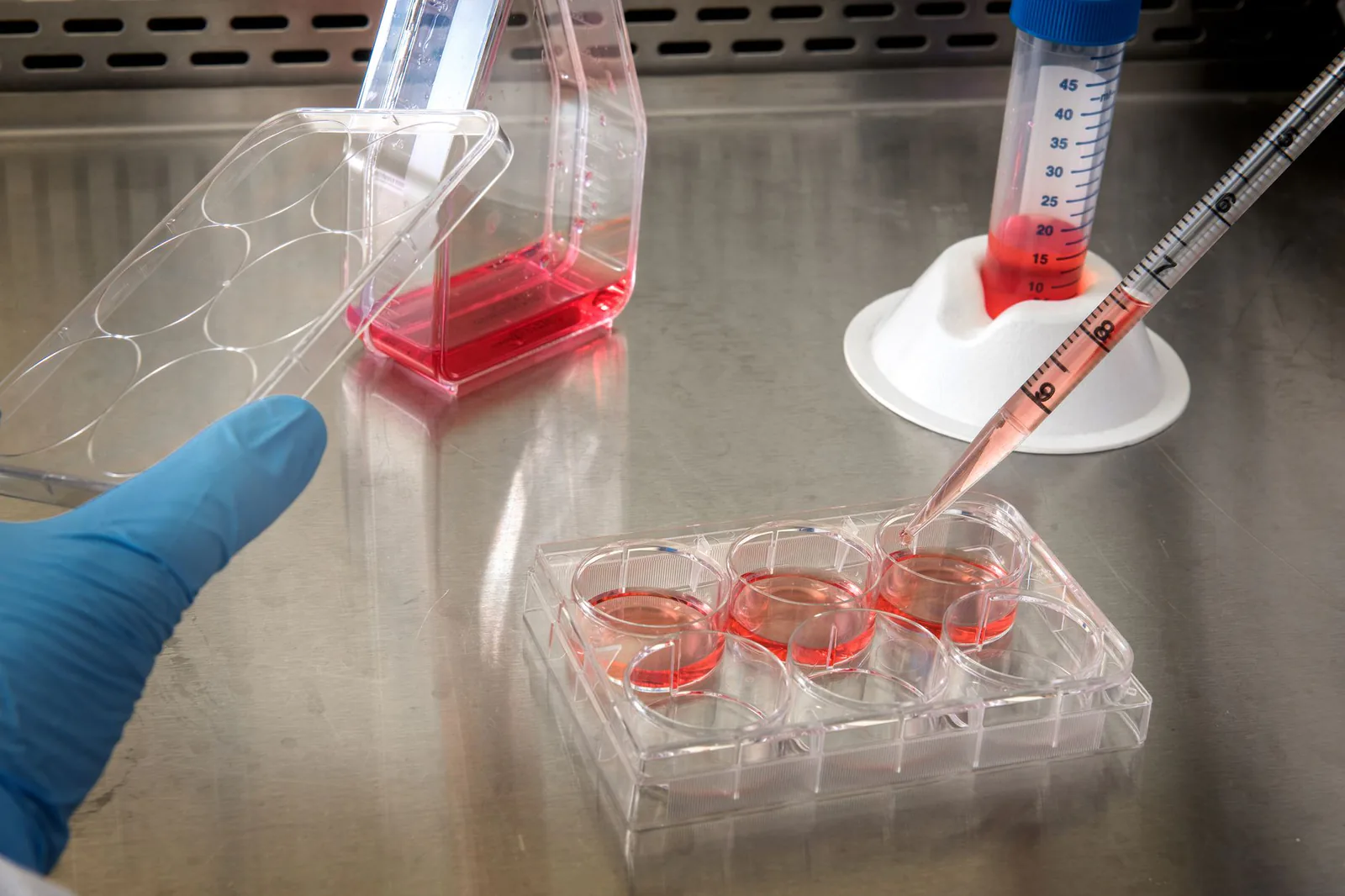
The human material began as skin cells from donors. In the lab, researchers used established reprogramming methods to turn them into induced pluripotent stem cells — cells that, like the stem cells of an embryo, can become any tissue in the body. Directed with the right chemical signals, those cells became neural cells, and the neural cells self-organized into brain organoids: small, living, three-dimensional assemblages of neurons and supporting cells that mimic some features of a real developing brain [1][5].
Because the starting cells came from donors, the tissue carries human DNA and human neural biology. Because it was grown, not taken, no brain tissue was removed from any person.
Step two: make the space
The 2022 rat experiments taught the team the hard limit of this approach: a normal brain has no vacancies. Human neurons implanted in rats took root and wired in, but the tissue had no room to expand [3].
The fix was genetic. The mice were engineered so that two key brain regions — the cerebral cortex and the hippocampus — fail to grow. A newborn mouse missing most of its forebrain is a striking thing to survive, and the mice did survive, by reassigning work to the structures they still had [1]. The animals look normal but move cautiously and are more forgetful than ordinary mice.
Step three: the injections
Into that vacancy, newborn mice received several injections of human organoid tissue — roughly 100,000 cells per injection. In total, the rodents lacked about 14 million of their own brain cells and received about 4 million human ones. That is enough to fill about half the brain’s volume [1].
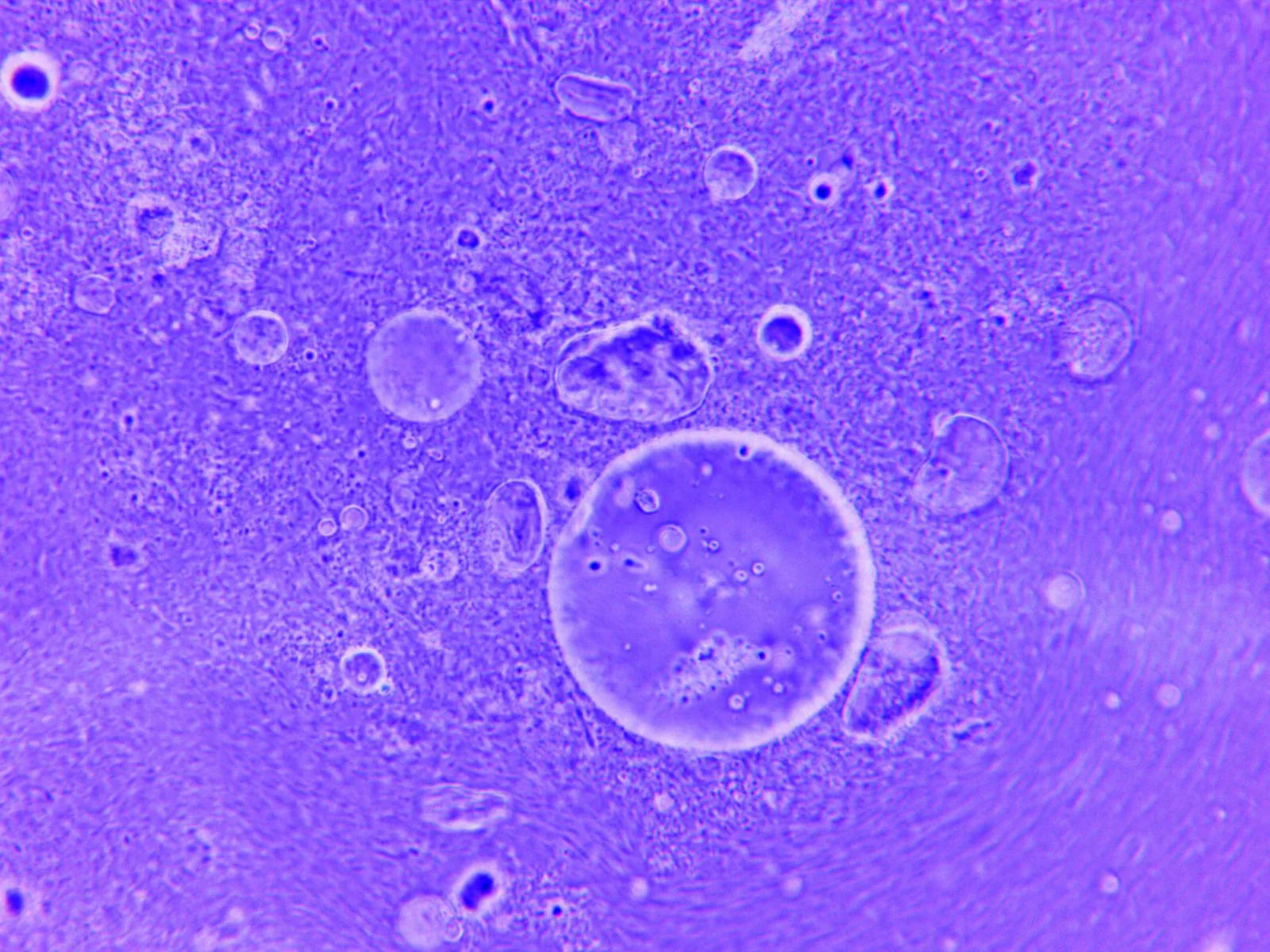
Step four: integration
Over the following three months, the graft did what the 2018 mouse-organoid work predicted it might [4]: the human tissue pulled in a blood supply from the mouse, swelled to fill nearly the whole cavity, and grew connections outward. Some human neurons formed synapses with mouse brain cells, and some reached as far as the spinal cord [1].
Crucially, the tissue did not mature into anything human-like. It remained at a stage comparable to roughly halfway through human pregnancy, and its wiring was not organized the way a human cortex is organized [1]. The xenocortical mouse is a model, not a hybrid person.
What the mice then demonstrated
To prove the model’s use for medicine, the researchers exposed some mice to five hours of low oxygen. The point: human nerve cells inside a living body respond to oxygen deprivation in ways you can now watch and potentially rescue. Oxygen deprivation during pregnancy and birth is what causes cerebral palsy — and here was human tissue that could be made to model it, then studied for drugs [1].
The team also found rare von Economo neurons in the human tissue — cells previously seen only in postmortem examinations, and among the first to die in frontotemporal dementia. Paşca now hopes to study that disease in xenocortical mice [1].
Oversight
The work underwent extensive ethical oversight from the start, according to Paşca [2]. Whether that oversight is enough — and what it should measure — is the subject of The ethics of mice with human brains.