The key point
The ethical fault lines are animal welfare, whether human neural tissue could ever have a spark of experience, and who decides how far is too far — questions the field is asking before the tissue can answer them.
Worry one: the animals
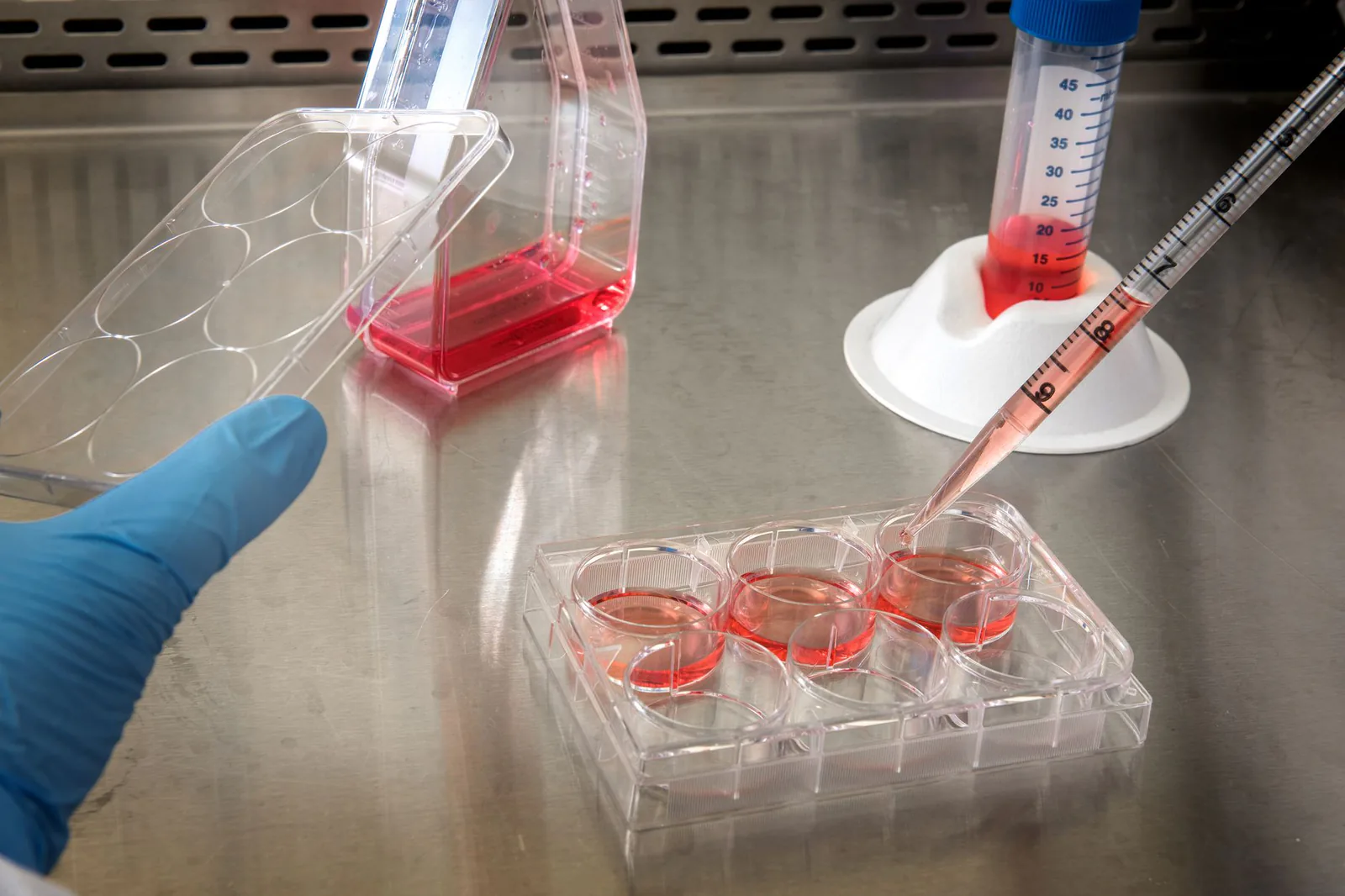
The nearest-term concern is the most ordinary one: these are living animals with a novel kind of intervention inside their skulls. The mice in the study were not enhanced and showed no sign of unusual ability — their shaky gait and mild memory problems actually improved slightly — but the tissue is growing, integrating, and influencing a real nervous system [1].
Emily Jackson, professor of law at the London School of Economics and chair of a recent report on neural organoids for the Nuffield Council on Bioethics, put it plainly: “Animal welfare is a really important concern, and it will be necessary to closely monitor these animals in order to evaluate the impact on them” [2]. The 2026 study had extensive ethical oversight from the beginning, Paşca said [2] — but oversight is not a one-time gate. It has to track what the animals become, not just what they were at injection.
Worry two: the tissue
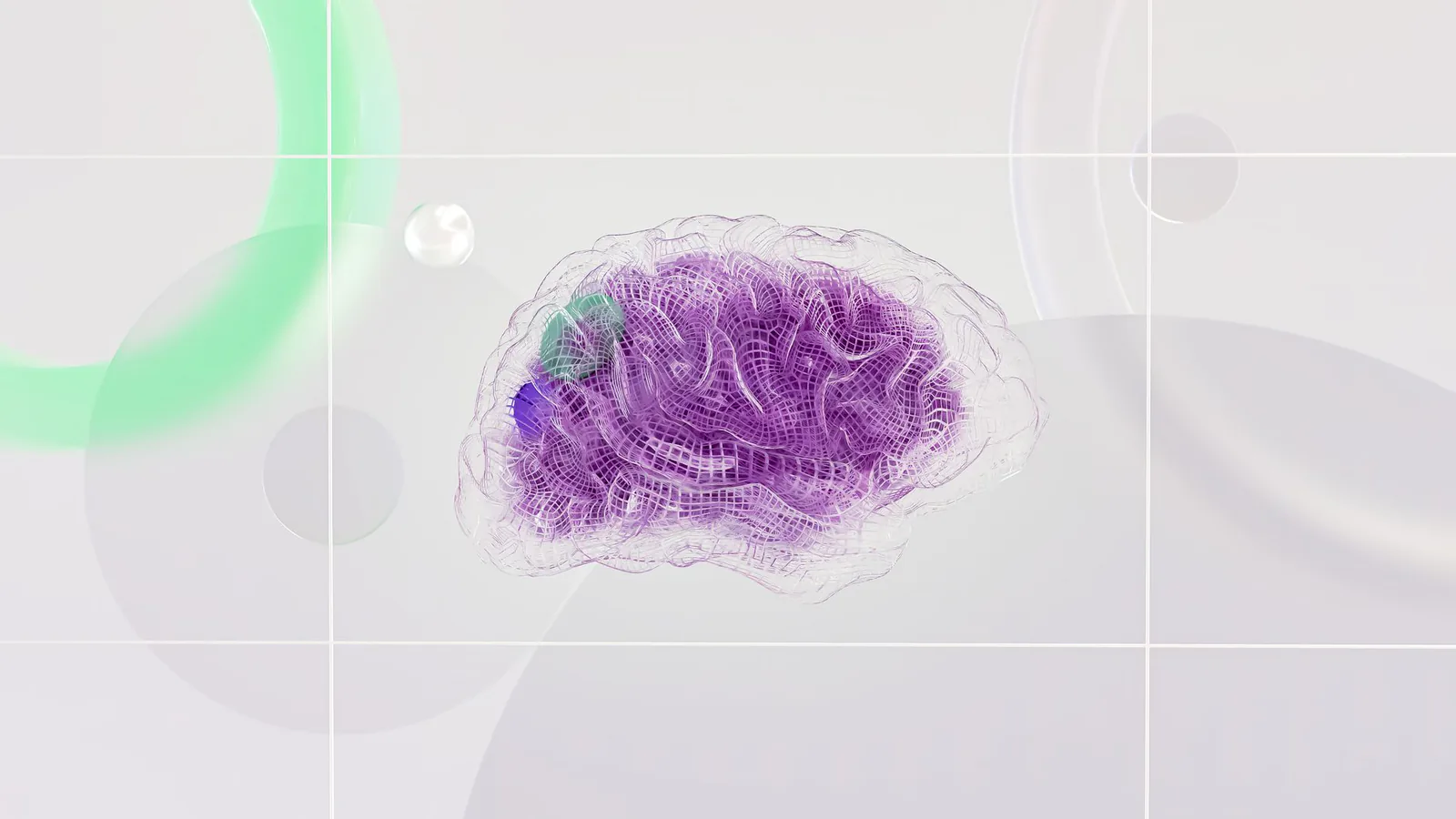
The deeper unease is about the human cells themselves. Brain organoids have already “sparked a wave of ethical concerns, not least around whether the clumps of tissue could become conscious or feel pain,” as the Guardian’s report notes [2]. In a dish, the question is abstract. Inside an animal — vascularized, wired into a spinal cord, part of a creature that moves and responds — the question gets sharper [1].
The honest answer from the science: not yet, and probably not close. The xenocortical tissue is immature, roughly halfway through human fetal development in its character, and not wired like a human brain [1]. But ethicists have argued for years that the field needs principled ways to monitor tissue for anything resembling experience before the experiments outpace the frameworks [6][7]. The 2018 warning from Farahany, Greely, Hyun and colleagues — that consciousness and moral status need agreed yardsticks before they are needed — is the reason those papers remain assigned reading for every new organoid experiment [6].
Worry three: the line
Xenocortical mice sit between two older categories the law and culture know how to handle: laboratory animals, and human subjects. They are neither. As the proportion of human tissue grows in future iterations — and the technique’s whole logic points toward more tissue, more maturity, more integration — the question stops being academic. What share of human cells, in what circuitry, with what maturity, would make an animal’s moral status different from a mouse’s? Nobody has a settled answer, and the current study deliberately stops far short of any such line [1][6].
The counterweight
The strongest ethical argument for the work is the state of brain medicine: psychiatry and neurology have fewer effective treatments than any other branch of medicine, and disorders like schizophrenia, epilepsy, cerebral palsy and dementia touch millions of families [2]. There is also an animal-ethics argument running the other way: many researchers hope organoids grown entirely in dishes will eventually replace animals in research, and Madeline Lancaster argued there needs to be “a very good reason” for this type of animal experimentation, which most scientific avenues do not require [2].
Both things are true at once. The work is ethically sensitive and potentially transformative. The point of the debate is not to pick a side in advance but to build the monitoring, the milestones and the exit ramps — so that the science earns each next step rather than assuming it. For a different axis of the same question — whether minds made of tissue and minds made of silicon are comparable at all — see A half-human mouse brain versus machine AI.